Everyday Lifekids
The homework hour: help the brain before blaming the behaviour
Most homework conflict isn't about defiance. It's about a task with no visible entry point, at the worst hour of the day.
Sian Trombley
9 min read
Updated MAY 19, 2026
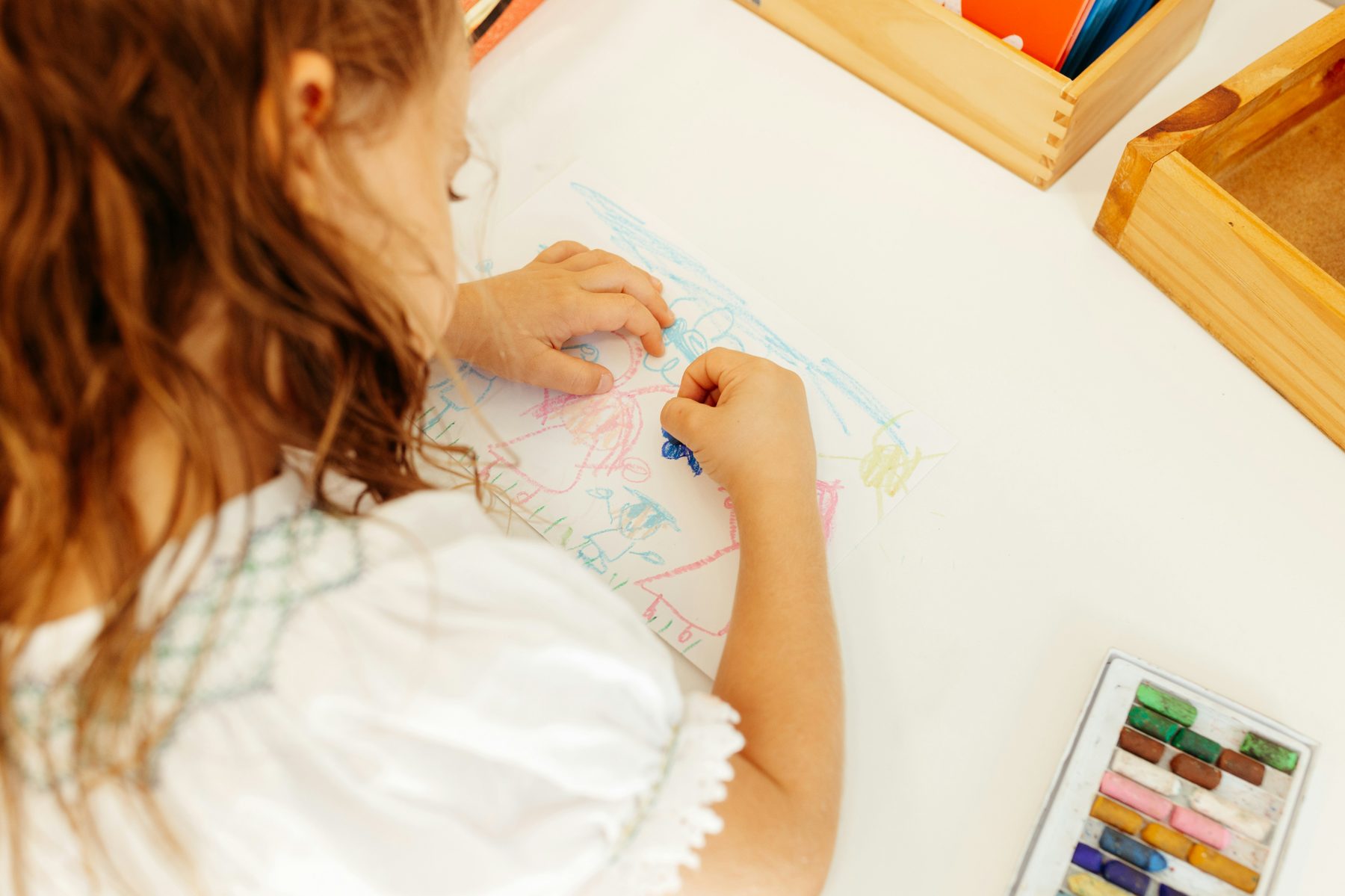
Four-fifteen. The bag is on the floor. The worksheet is somewhere in the bag. Everyone in the kitchen already knows how this goes.
By half past, someone has said "it's only twenty minutes" and someone else is under the table.
What's actually being asked
Homework asks a child to switch contexts, remember what was set, locate materials, decide where to begin, sustain effort on something usually not intrinsically interesting, and manage frustration — after six hours of holding it together at school.
For a child with ADHD, most of those steps sit precisely on the executive functions that are still developing more slowly than their peers'. The behaviour you see at 4:15 is usually the visible end of a queue of invisible demands.
Change the conditions first
A gap between school and homework is not indulgence. Movement, food and twenty unstructured minutes genuinely change what's available afterwards.
Make the start concrete. Not "do your homework" but "read me the first question." Reading the first question aloud is a small, physical, finishable act, and it very often carries the rest.
Sit nearby doing your own boring task. Presence supplies activation. It's not doing it for them.
Decide the stopping point in advance, in minutes rather than pages. A child who knows the end exists can tolerate the middle.
And talk to the school
If homework regularly costs the evening and produces conflict rather than learning, that's information worth sharing with a teacher, not a family failure to hide. Adjustments to volume or format are common and reasonable.
Don't just try harder. Make it easier to do.
This article is general educational information, not therapy, diagnosis or individual medical advice. If something here matters for your situation, a qualified professional who knows you is the right next step.